Kia Takatū te Kāinga Get Home Ready
How to get home ready


Plan Ahead
Planning for emergency events can often feel overwhelming, but a good place to start is by having a chat with your family, flatmates, friends and neighbours.
It is important you talk about what you would do if you had to leave home in a hurry, were made to stay, were stuck at home or couldn’t get home. What would you do if a disaster struck while you were at home, at work, or your kids were at school?
You should also think about what you would do if you had no power, no water, no communication or you were ill.
There are some key steps you can follow to help get your plan started:
Talk to your whānau, friends or other important people in your life who may be a part of your plan. Have arrangements in place for friends or whānau to collect your children from school if you are unable to in an emergency and make sure you notify the school of these arrangements.
Decide on a safe place where you and your whānau will all meet in the event of an emergency, so you’re prepared if communications go down.
Decide who will help with food supplies if you and your household become unwell.
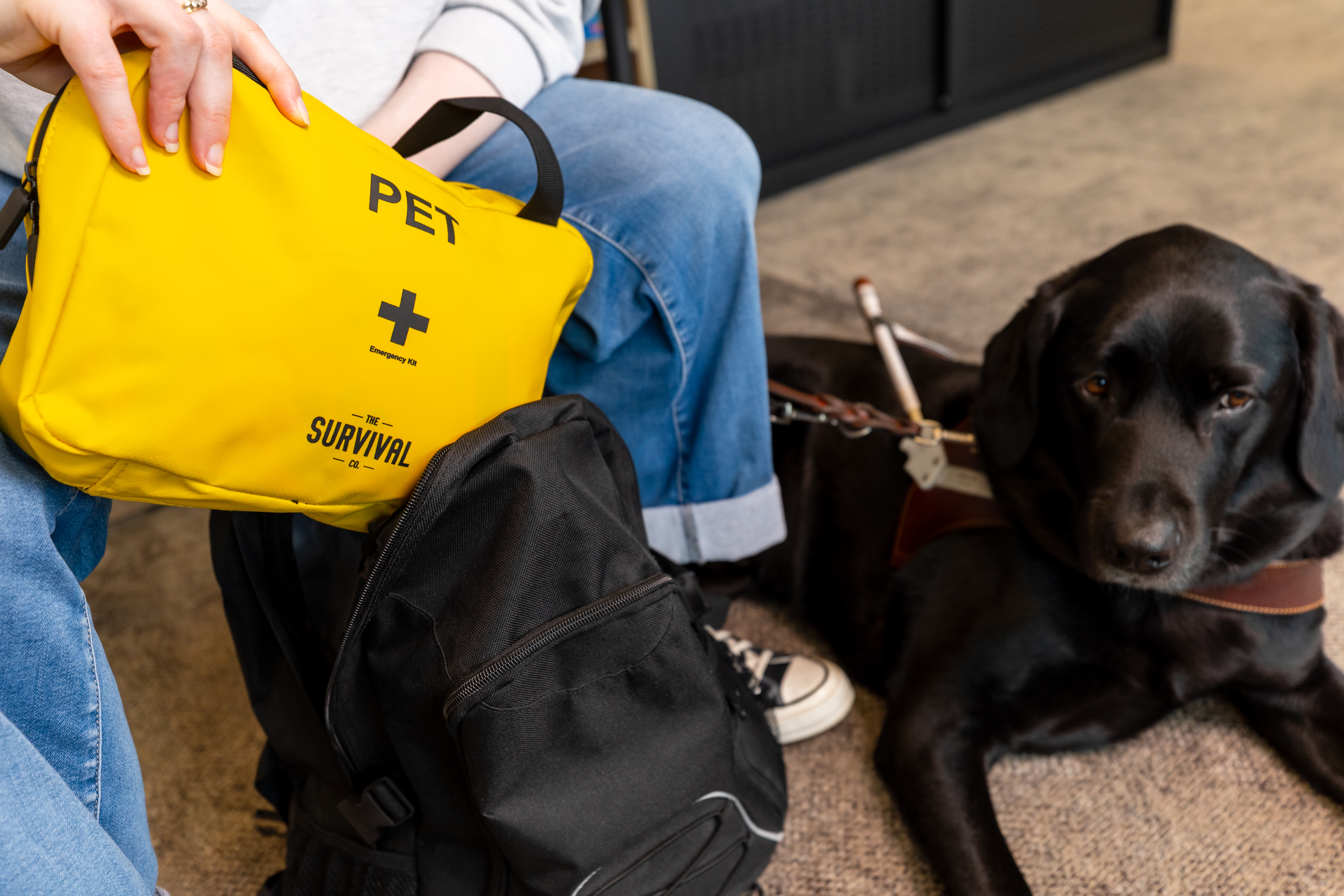
Don’t forget animals! Make sure pets and livestock are a part of your plan too. If you have a lifestyle block or a farm, you need to make sure you have a plan for how you will care for them.
If you, a member of your whānau, friend or neighbour have a disability or any other requirements that may put you at greater risk in an emergency, it is important you take extra time to plan for how you will respond to an emergency. Visit our disaster preparedness information for people with disabilities to help make a plan or you can visit the Get Ready website to find advice for disabled people.
Get to know your neighbours and share your plan! Talk to them about your plan and encourage them to make one too. Swap numbers and stay in touch. You never know when you may need each other, and you may be able to help each other with sharing resources in an emergency.
If you, a member of your family, friend or neighbour has mobility issues, hearing or visual impairments or intellectual disabilities, it is important you take extra time to plan for how you will respond to an emergency.
People who need assistance need to put in place a support network of people close to home or work who can provide support during an event. Visit our disaster preparedness information for people with disabilities to help make a plan.
Have emergency supplies at home
In an emergency you could be stuck at home without basic services, such as electricity, gas, drinking water, flushing toilets, and telecommunication, for days or even weeks.
Having supplies stored at home can help you and your whānau stay safe and comfortable during an emergency. It’s likely that your house is already full of emergency items disguised as everyday things – as long as you know where they are and can find them in a hurry and/or in the dark! It’s also a good idea to check over these items regularly to see if they have expired and need replacing.
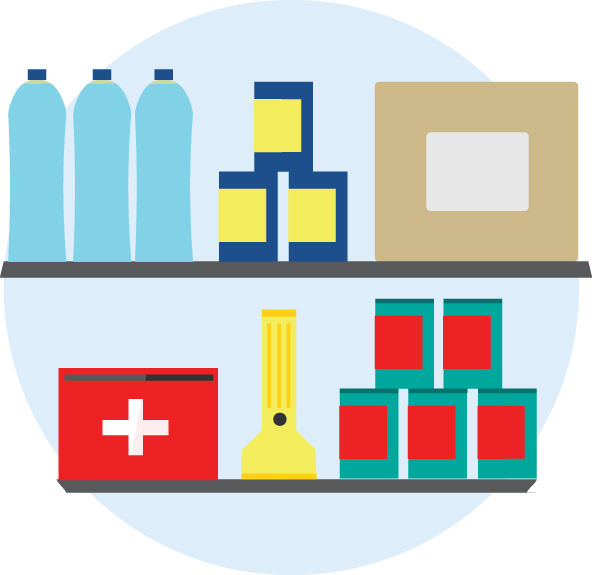
Aim to keep a three-day supply of the following emergency supplies:
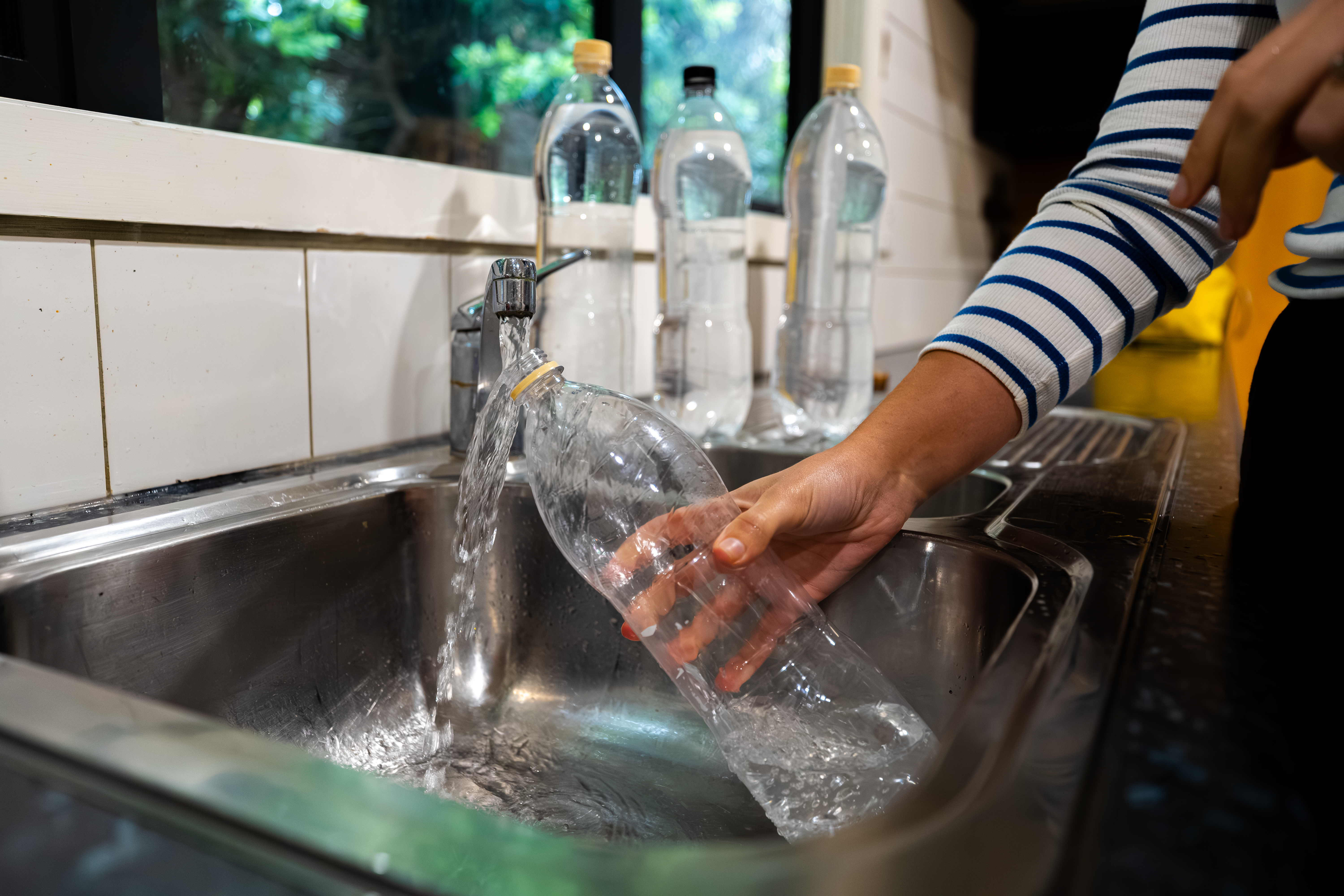
Water for three days or more. Make sure you have at least nine litres of water for every person. This will be enough for drinking and basic hygiene.
Long-lasting food that doesn’t need cooking (unless you have a camping stove or gas barbecue). Don’t forget to keep food for babies and pets/animals too!
Nappies and wipes if you have little ones.
Personal medications (and copies of prescriptions with the names/dosages).
First-aid/medical supplies.
Cash (preferably coins and small notes) as power cuts could affect EFTPOS and ATM machines.
A solar or battery-powered radio.
USB chargers and /or portable charging devices.
Toilet paper and large plastic buckets for an emergency toilet.
Work gloves and a properly-fitted P2 or N95 mask.
Torch with spare batteries. Avoid using candles if there is a power cut due to fire risk.
Do you know your emergency supply kit from your grab bag?
Prepare your home
We can't predict disasters, but we can prepare for them. Making your home safer will reduce the risk of damage during an emergency as well as allow you to stay in your home.
It’s important that you learn about the disasters that might impact you and your whare (home), so you know what steps you can take to help keep yourself and your whānau safe.
Here are some steps you can take to make your home safer:
Secure heavy items
Use brackets or straps to secure tall and heavy furniture (such as bookcases, dressers and TVs) into wall studs.
Move heavy and fragile items to shelves or cupboards lower down.
Hang pictures and mirrors on appropriate hooks (no single nails).
Fix weak spots in your home
Look for any signs of damage to your roof, foundation, and walls.
If you rent your home, it’s in your landlord’s best interest to help ensure it remains liveable after an emergency. Talk to your landlord and check the Natural Hazards Comission Toka Tū Ake’s website to learn more about making your rental home safer.
If your home has suspended floor foundations, check that they're in good condition. Check that good connections are in place between the foundations and house above.
Check your chimney and fireplace. Some brick and concrete chimneys are at risk of collapsing in an earthquake. Check the Natural Hazards Commission Toka Tū Ake's hazardous chimneys website for more information about how to make chimneys safer.
If you are renovating or building, make sure all work complies with the New Zealand Building Code which has specific standards to minimise damage from natural hazards.
Regularly maintain your home
Keep your gutters, drains and downspouts clear of any leaves or other debris that may cause water to build up during heavy rain and flood.
Remove any debris or loose items from around your property such as branches and firewood as these can become missiles in strong winds.
Have a plan in place for tying down or bringing inside any outdoor objects, such as furniture or trampolines, that could be picked up in strong winds.
Know the location of emergency cut-off switches and taps in your home
In an emergency, you may be asked by officials to turn utilities off, as damaged utilities can be dangerous and also prevent you from staying in your home. Find out where your key utilities are and learn how to turn them off:
main gas valve (if you have gas),
main power switch,
main water cut-off valve.
You can mark the location of key utility cut-off switches and taps around your whare (home) with a pen or some tape so you can find them easily if you need to turn them off in a hurry during an emergency.
Check you have the right insurance cover
Check what your home and contents insurance policies cover, and what they don’t cover.
Make sure you are insured for the right amount and have enough cover to rebuild your home and replace any valuables after a disaster.
Keep copies of important insurance documents in a safe place.
If you suffer damage from a natural hazard, remember to take plenty of photos. Then get in touch with your private insurer to make a claim. They'll assess, manage and settle your entire claim on behalf of the Natural Hazards Commission Toka Tū Ake.
Do you live in a flood prone area?
Prepare a grab bag
Prepare a grab bag in case you have to leave your home in a hurry.
In an emergency you may have to leave your home in hurry, have you thought about where you might go? What you would take? What about pets? What about neighbours that might need your help?
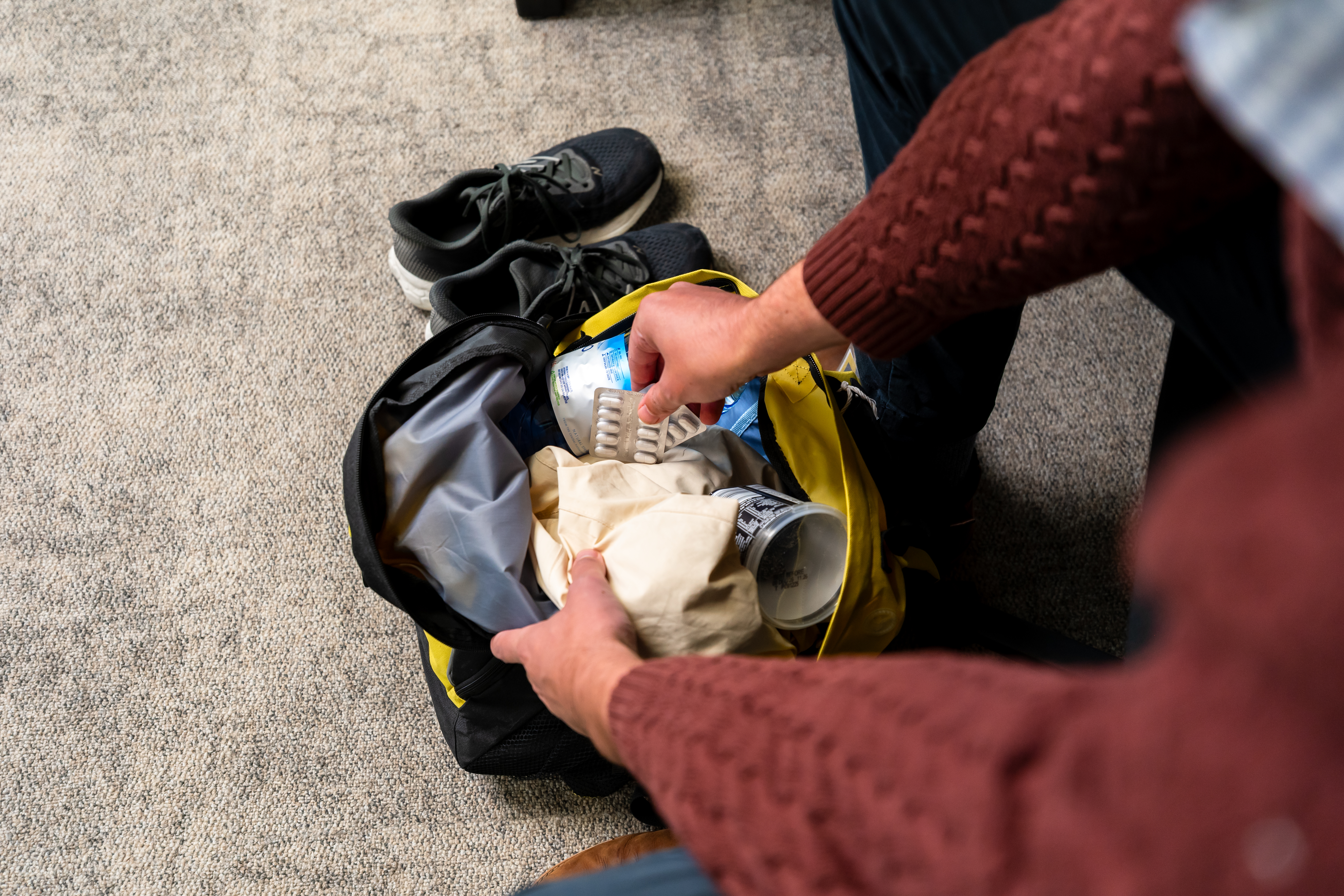
Everyone should have a getaway bag with some warm clothes, a bottle of water, some snacks, medications and copies of important documents. Keep your torch, radio (a wind-up radio is a great option) and some cash handy, so you can grab them in a hurry.
Although you can purchase getaway kits it is easy to develop your own from a re-useable shopping bag or an old backpack you no longer need.
Daylight savings is a great time to check on your water bottles and expiry date of snacks in your getaway kit.
In the spring, instead of throwing away your unwanted or old warm clothes, put an old jacket into your getaway kit.
Take photocopies of your passport or drivers licence to add to your kit. Also don’t forget to take a list of important phone numbers such as friends and family, school, vet and doctors.
Some comfortable closed shoes are essential. In the event of an earthquake, there may be broken glass and debris that might pose a hazard.
Think about your pets. Make sure you keep your dog’s lead, or a cat crate handy in case you have to leave in a hurry and add some extra water and pet snacks into your kit. Make sure your pets have identity tags with your telephone number in case they get separated from you.
Check out the Get Ready website for ideas of what to include in your kit.